Platform comparison
| Platform | YES odds | NO odds | Fee | KYC | Settlement | |
|---|---|---|---|---|---|---|
Polymarket App UK Pick polygram.ink |
41% | 59% | 0% (USDC on-chain) | No-KYC up to $1,500 | USDC, auto via UMA oracle | Open on Polymarket App UK → |
Polymarket polymarket.com |
41% | 59% | 0% | Geo-blocked in US/UK/EU | USDC, on-chain | Open on Polymarket App UK → |
Kalshi kalshi.com |
— | — | Up to 7% per trade | US-only, KYC required | USD | Open on Polymarket App UK → |
Betfair Exchange betfair.com |
— | — | 2-5% commission | Full KYC from first trade | GBP / EUR | Open on Polymarket App UK → |
Manifold Markets manifold.markets |
— | — | Play-money (mana) | None — play-money | Mana (no cash-out) | Open on Polymarket App UK → |
Live odds for Polymarket-based markets come from the Polygon order book. Non-Polymarket venues show attributes only; clicking any row opens the market on Polymarket App UK.
Market context
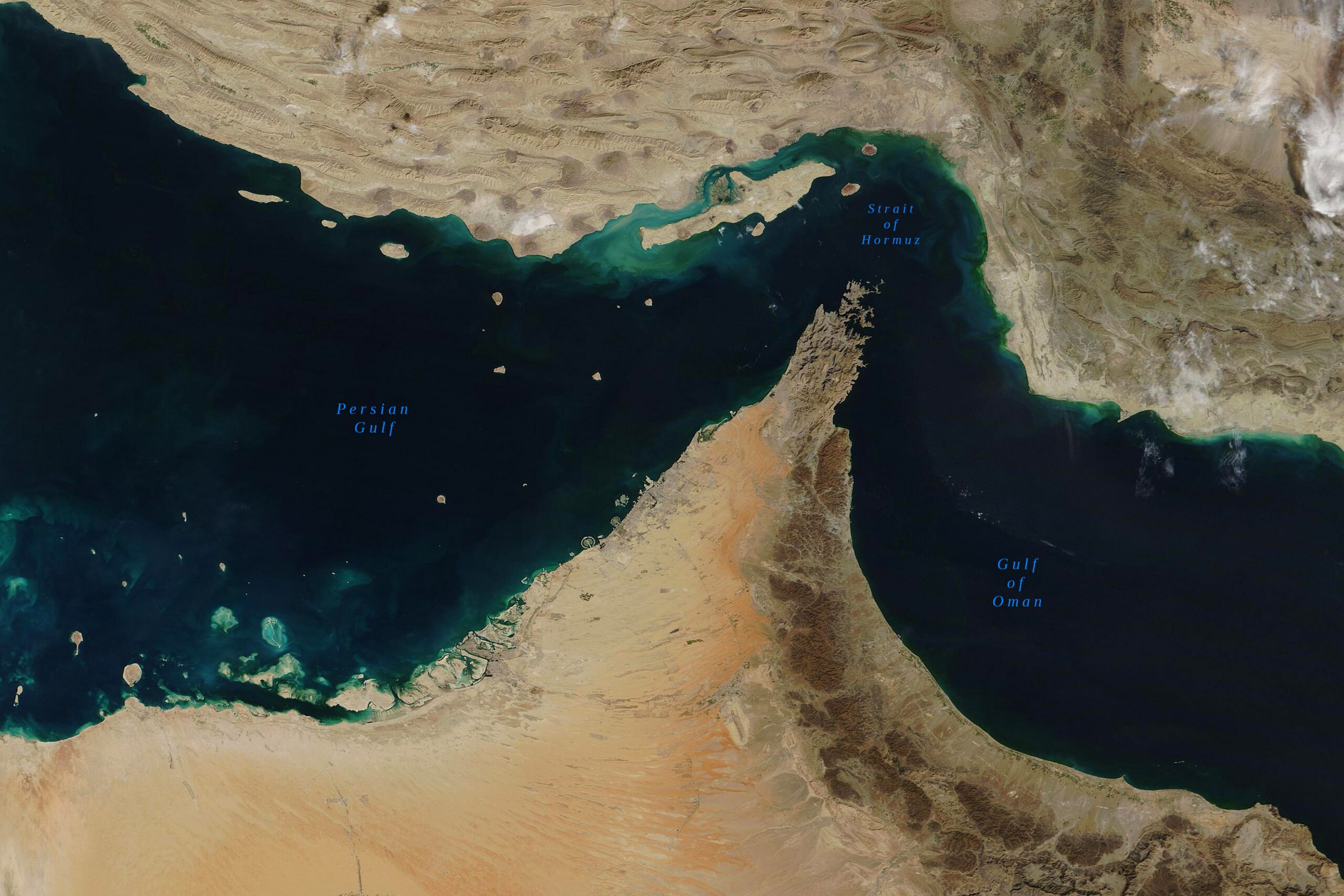
The Strait of Hormuz handles roughly one-fifth of global seaborne oil trade. Transit volumes have fluctuated sharply since 2019 due to US sanctions on Iran, regional tensions, and periodic attacks on shipping. The baseline for "normal" traffic is a 7-day moving average of 60+ daily transit calls—a threshold that reflects pre-2022 patterns when geopolitical friction was lower but still present. Establishing what constitutes recovery matters operationally: IMF Portwatch data feeds directly into shipping indices and energy markets, making this metric actionable for traders monitoring supply-chain risk and crude benchmarks.
Historical precedent suggests recovery timelines depend on diplomatic rather than military resolution. The 2019–2020 period saw sustained disruption despite no formal conflict; traffic recovered only when sanctions enforcement softened and insurers repriced risk. The 2022 Russia–Ukraine war created secondary effects on Hormuz transit (rerouting, insurance costs) that took 18 months to normalise. Current conditions involve Iranian ballistic missile tests, Houthi incidents, and US carrier positioning—factors that typically suppress transit calls for 6–12 months post-incident before confidence rebuilds.
Traders should monitor three dependencies: announcements from the International Maritime Organization on corridor safety assessments, scheduled US naval rotations in the Gulf (publicly available via Department of Defense schedules), and Iranian nuclear negotiation timelines, which historically correlate with shipping insurance premiums. A programmatic approach would automate daily IMF Portwatch scraping against the 60-call threshold, cross-reference with shipping indices (Baltic Dry Index, tanker rates), and flag when geopolitical news clusters precede or follow data inflection points. The 36% implied probability reflects scepticism that diplomatic conditions will stabilise sufficiently by June 2026.
Methodology
We track Strait of Hormuz traffic returns to normal by end of June? on the five venues with material liquidity for prediction markets. Live odds come from the Polymarket Polygon order book — the only source that ships real-time data under an open licence. For Kalshi, Betfair and Manifold we list platform attributes (fee, KYC, settlement, payment) instead of fabricated odds, because their APIs use non-comparable contract definitions.
Resolution & payout
Settlement runs on-chain. Polymarket's contract logic separates YES and NO shares as conditional tokens; at resolution the winning share lifts to $1.00 and the losing one to $0. The outcome input comes from the UMA Optimistic Oracle, which secures against bad resolution with a bond + dispute window.
Once finalised, the smart contract pays USDC to the holders' wallets within minutes — no withdrawal fees beyond Polygon network gas. Kalshi settles in USD via CFTC clearance, Betfair in account currency net of commission, Manifold in play-money mana with no cash-out.
FAQ
- How does resolution work?
- Through the UMA Optimistic Oracle on Polygon: a proposer submits the outcome, a two-hour challenge window opens, and USDC payouts settle automatically once the result is final.
- What does it cost to trade on Polymarket App UK?
- Zero. Polymarket App UK routes every order to the live Polymarket order book; the only cost is the Polygon network fee, typically under $0.01 per transaction.
- How fast are USDC deposits?
- Polygon credits deposits after 12 confirmations — usually under 30 seconds. Withdrawals follow the same path and land back in your wallet within minutes.
- Do I need to KYC for this market?
- Not under $1,500 of lifetime trading volume. Above that threshold, Polymarket App UK triggers a quick verification flow that finishes in minutes.
- How reliable are the quoted odds?
- The YES/NO percentages are the live mid-prices of the Polymarket order book. On deep markets they move every few seconds; on thinner ones you'll see short plateaus.
%22%2F%3E%3Cpath%20d%3D%22M%206%2066%20A%2026%2026%200%200%201%2058%2066%22%20fill%3D%22%23E6B98D%22%20opacity%3D%220.9%22%2F%3E%3Ccircle%20cx%3D%2232%22%20cy%3D%2226%22%20r%3D%2222%22%20fill%3D%22%23F5CBA7%22%2F%3E%3Cpolygon%20points%3D%2216%2C18%2020%2C4%2024%2C18%22%20fill%3D%22%230ea5e9%22%2F%3E%3Cpolygon%20points%3D%2224%2C18%2028%2C3%2032%2C18%22%20fill%3D%22%230ea5e9%22%2F%3E%3Cpolygon%20points%3D%2232%2C18%2036%2C3%2040%2C18%22%20fill%3D%22%230ea5e9%22%2F%3E%3Cpolygon%20points%3D%2240%2C18%2044%2C4%2048%2C18%22%20fill%3D%22%230ea5e9%22%2F%3E%3C%2Fsvg%3E) and
and%22%2F%3E%3Cpath%20d%3D%22M%206%2066%20A%2026%2026%200%200%201%2058%2066%22%20fill%3D%22%23E6B98D%22%20opacity%3D%220.9%22%2F%3E%3Ccircle%20cx%3D%2232%22%20cy%3D%2226%22%20r%3D%2222%22%20fill%3D%22%23F5CBA7%22%2F%3E%3Crect%20x%3D%2210%22%20y%3D%224%22%20width%3D%2244%22%20height%3D%2214%22%20rx%3D%227%22%20fill%3D%22%230ea5e9%22%20opacity%3D%220.9%22%2F%3E%3Crect%20x%3D%228%22%20%20y%3D%2218%22%20width%3D%228%22%20%20height%3D%2218%22%20rx%3D%224%22%20fill%3D%22%230ea5e9%22%20opacity%3D%220.7%22%2F%3E%3Crect%20x%3D%2248%22%20y%3D%2218%22%20width%3D%228%22%20%20height%3D%2218%22%20rx%3D%224%22%20fill%3D%22%230ea5e9%22%20opacity%3D%220.7%22%2F%3E%3C%2Fsvg%3E)
Trade Strait of Hormuz traffic returns to normal by end of… on Polymarket App UK
Live order book, 0% fees, USDC settlement in seconds.
Trade on Polymarket App UK →